December 13th, 2021 7:40 AM
(Family Features) Choosing the right materials is an essential step in planning a home remodel or renovation. Options like brick and stone can add style, comfort and beauty to homes. 
With a diverse array of colors, textures and sizes to choose from, there are options to suit practically any design aesthetic, whether it’s traditional, contemporary or somewhere in between. Because brick and stone materials provide strength, permanence, sustainability and
beauty, it’s possible to balance function with appearance.
Before choosing your brick or stone material, it’s a good idea to explore the vast color options, varying textures and sizes. You might even consider combining different materials to create accents that add interest and support the design of your home.
If you like the idea of incorporating brick or stone into your design but are not sure where it fits, consider these popular choices:
Accent Walls: If you’re concerned about overpowering a room, an accent wall is a simple way to add the appealing look of brick or stone in moderation. The wall can add character and dimension that either stands out or blends into the overall design, depending on the colors and textures you choose.
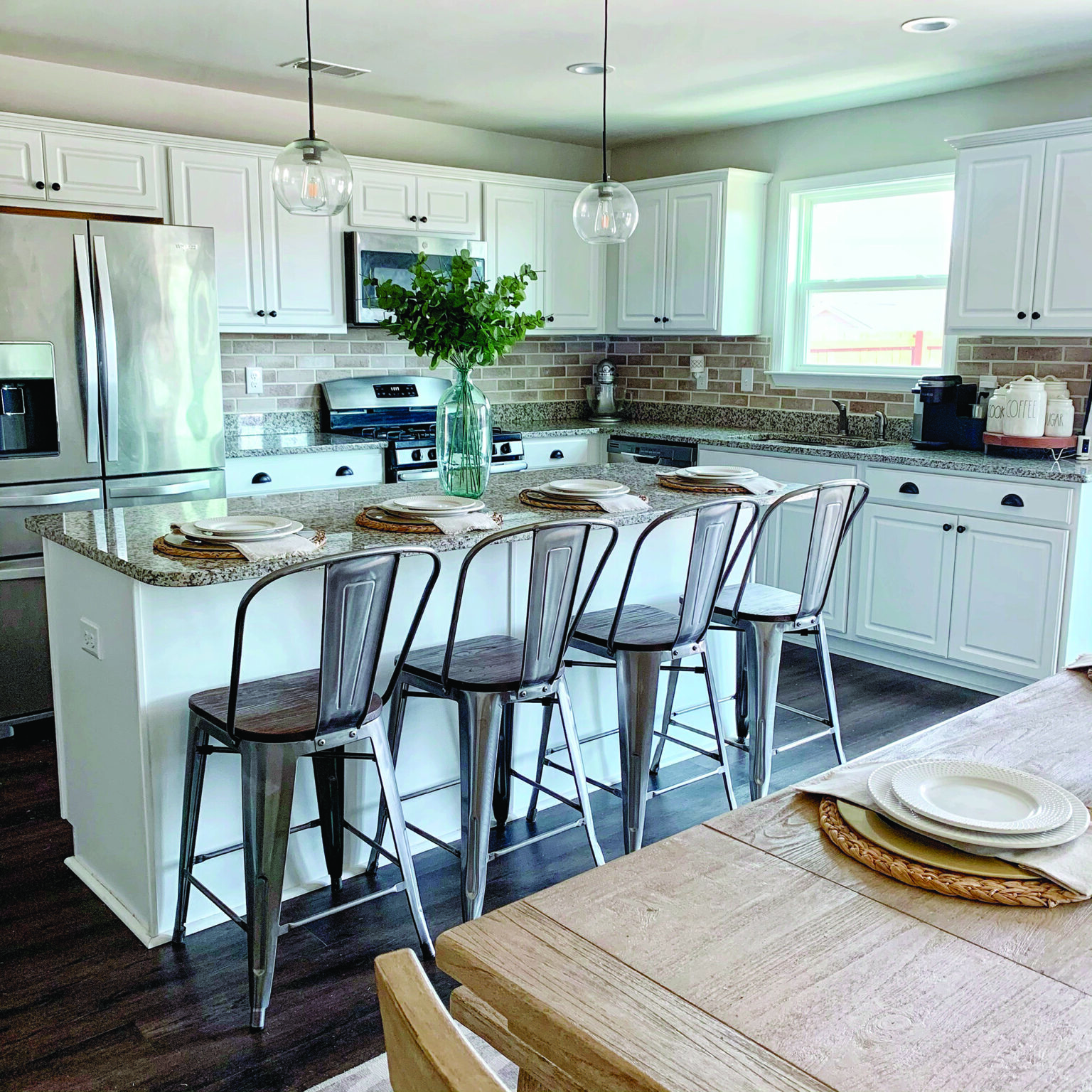
Kitchens: From flooring to island accents, backsplashes and beyond, the options are plentiful for introducing brick or stone into kitchen design. Whether you’re going for a modern look or something more traditional, quality is a top priority in high-use areas like the kitchen. Choose materials from a reliable source like Glen-Gery, which offers more than 600 brick and stone products in a vast variety of sizes, textures and colors.
Bar Surrounds: This feature tends to be a focal point in its own right but adding brick or stone can make your bar area a real showstopper while capturing the color tones of the rest of the room.
Archways: Defining the transition from one space to the next adds an architectural design element that can either carry your design theme from one room of the house to the next or signal a transition toward a new motif, depending on the material you choose.
Find more ideas for a home upgrade using brick or stone at glengery.com.
Unbeatable Benefits of Brick
Resilience: Brick is incredibly resilient. It’s weather and storm proof. As a result, it’s better able to withstand the diverse weather conditions across North America from natural disasters to extreme heat in fire prone regions. Brick is also termite resistant.
Low Maintenance: Brick does not require any painting, coating or varnishing in order to maintain its aesthetic and durability.
Fireproof: Brick is non-combustible and doesn’t assist the spread of fire, making it ideal for building in wildfire-prone areas. Clay bricks normally don’t suffer any structural damage after a fire and can be re-used, even as load bearing walls.
Design Flexibility: Brick comes in styles to suit any building project and is a popular material choice among architects and designers because of its design flexibility, strong structural capabilities and intricate detailing.
Noise Cancelling: Whether between rooms within a home or from outside noise, brick provides sound insulation.
Durable: Brick is long-lasting. Unlike other man-made materials, brick doesn’t get tired, so your brick home remains weather- and age-proof over time.
Energy Efficient: Brick is a high-density material, meaning it can effectively absorb and store heat energy to help keep your home cooler in the summer and warmer in the winter. Its ability to average temperature extremes can make a noticeable difference in comfort while also reducing energy bills.
Natural: Brick is manufactured from naturally occurring materials and does not emit volatile organic compounds as many lightweight products do. With virtually no emissions and high thermal mass, brick is also a good choice for health-conscious homeowners with acute allergies or sensitivities to weather.
#15741
Source: Glen-Gery