May 12th, 2021 8:55 AM
DIY Ideas to Increase Your Home’s Value

(Family Features) Now as much as ever, your home may be a sanctuary for all kinds of expression, from thinking and dreaming to working and playing. Over the past year, homeowners began to consider the intersection of function and design in new ways.
Weekend warriors are dedicating themselves to creating more organized living spaces and making their homes better places for learning, working, and living. If you’re considering upgrades to your home, consider these DIY ideas from the experts at Royal Building Products that can increase beauty and resale value.
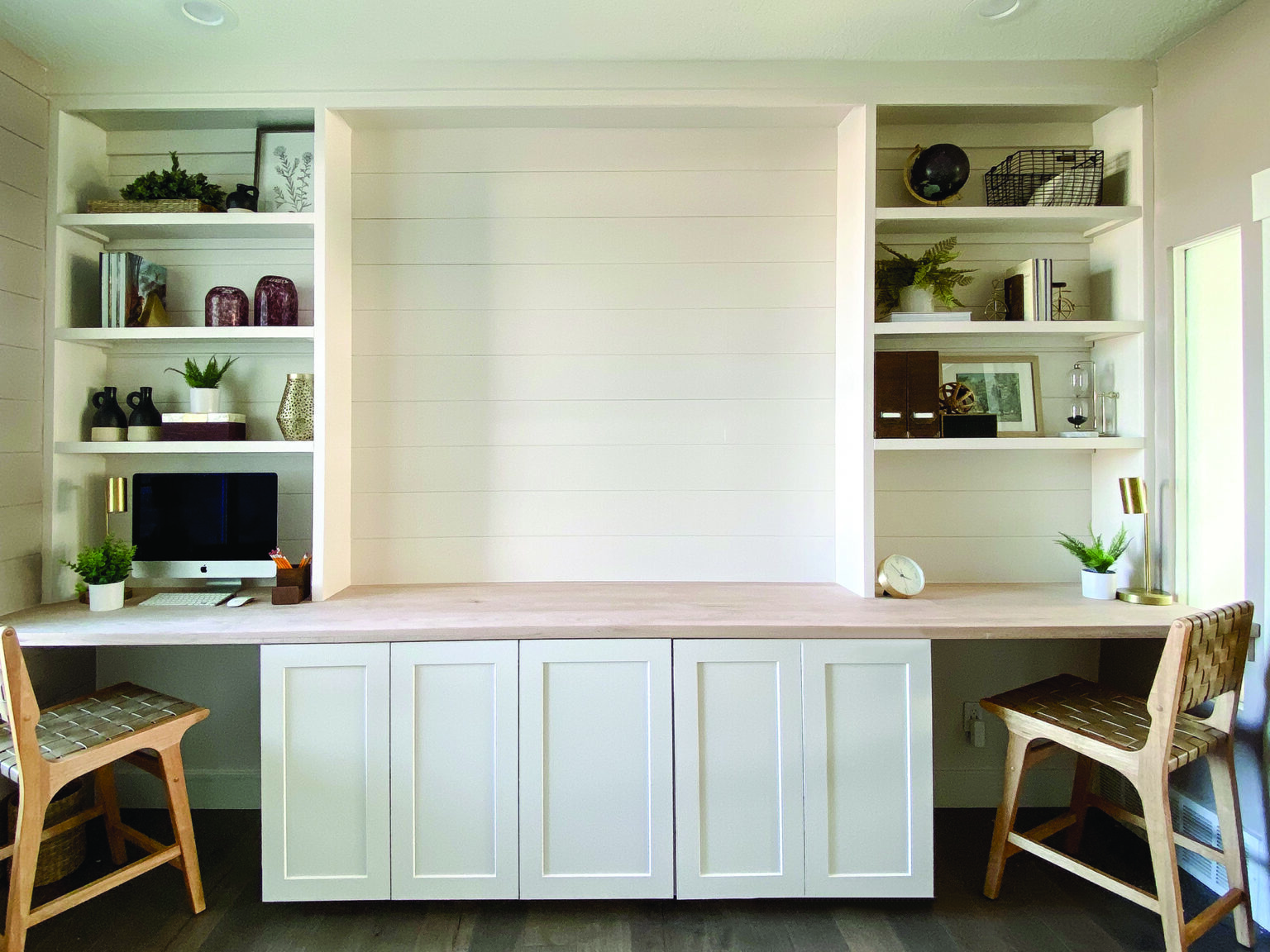
Home Office: Spending more time at home may mean storage space
is at a premium, especially if you’re relying on a makeshift home office. You can add a high-impact and functional element to your office with a built-in bookcase or workstation. Consider your materials carefully since they have a big impact on your final results. For example, a versatile alternative to wood is synthetic polyvinyl chloride (PVC) trim, which you don’t need to sand or prime before painting, ultimately saving time, energy and money. While PVC is slightly more expensive than some wood options, it also requires less maintenance long-term.
Bathroom: By updating worn-out items, modernizing fixtures and creating a more functional space, you can expect to recoup up to 50% of a bathroom’s remodel cost, according to the National Association of the Remodeling Industry. If you’re considering an on-trend look like shiplap, a practical solution like Royal prefinished PVC Shiplap can help create a clean, comfortable space. It’s waterproof, mold resistant, flexible and works well in spaces with many slants and angles. Plus, it’s lightweight and easy to install.
Entryway: A home’s foyer offers the first impression of its interior, teasing the personality of architecture and decor found with each step deeper inside. Whether bold and dramatic, tranquil and serene, or something in-between, the entryway often sets the tone for a home’s ambiance. Details like decorative molding and lattice trim can create a striking entryway for almost any home style.
Exterior: Whether you’re sprucing up an outdoor living space or simply want to boost curb appeal, subtle enhancements can make a big impact. For example, board and batten shutters offer an attractive, low-fuss way to highlight your home’s windows. Painting the front door is another low-cost way to freshen up your exterior. Or invite a touch of nature by adding flower boxes to your front porch or windows.
Find more creative inspiration, tools, tips and practical steps for every level of DIY-er at buildroyaldiy.com.
Select a Trim Style to Match Your Home Style
The right style of trim can transform a room into a whole new space. A good rule of thumb is to keep the style of trim consistent with your home style and from room to room.
Craftsman: The craftsman home style pairs well with simple, tailored, and purposeful doors and minimally ornamented window casings, while white, light beige, and cream-colored crown molding can create roomier spaces.
Colonial: This home style’s rustic simplicity and rich detail call for interior trim that lends a touch of stately courtliness. Choose multi-piece trim and wider baseboards, wainscoting and crown molding to adorn family room floors, walls and ceilings.
Cape Cod: This practical and quaintly unassuming design can be accented by subtle interior trim such as transom windows and sidelights that surround multi-paneled entry doors, casings for double-hung windows, picture rails and frame walls.
Modern: The clean expansiveness of this home style lends itself to unadorned window and door casings as well as baseboards. You can go minimalist and use trim merely to protect walls and floors. Alternatively, you could rely on trim to create an appealing contrast with the wall colors.
Ranch: Open, informal and inviting, this style needs trim work that flows from room to room. Many styles work, from simple baseboards to more formal trimmed windows and cabinetry in the kitchen, fireplace mantels in the family room and passageway casings.
Photos courtesy of Honey Built Home